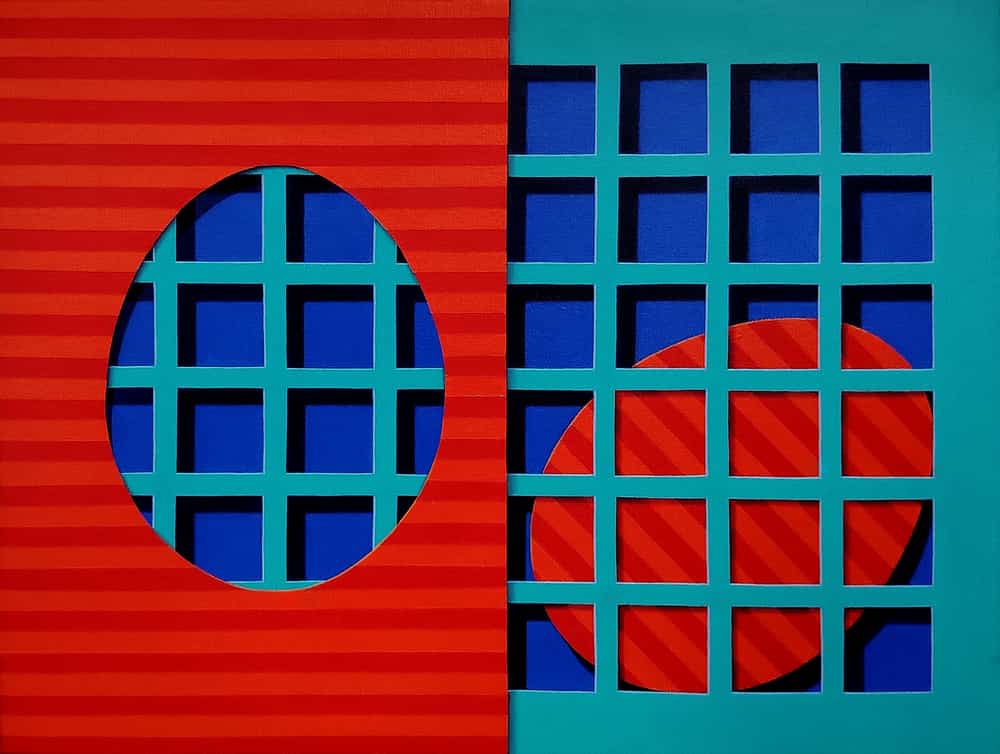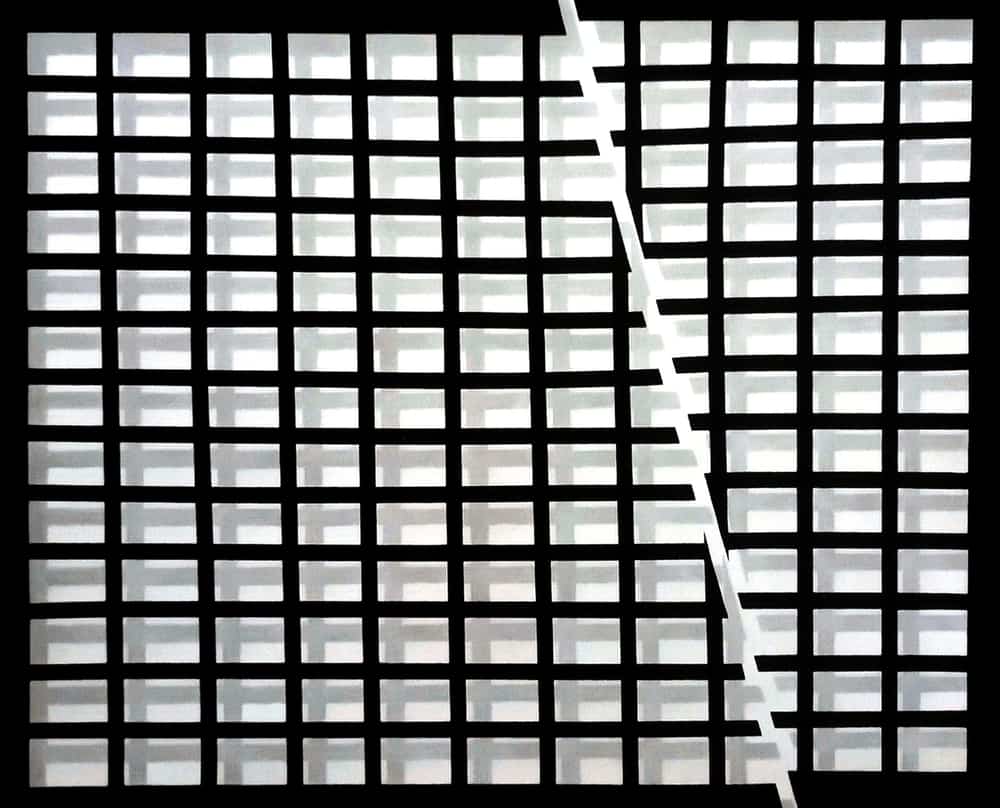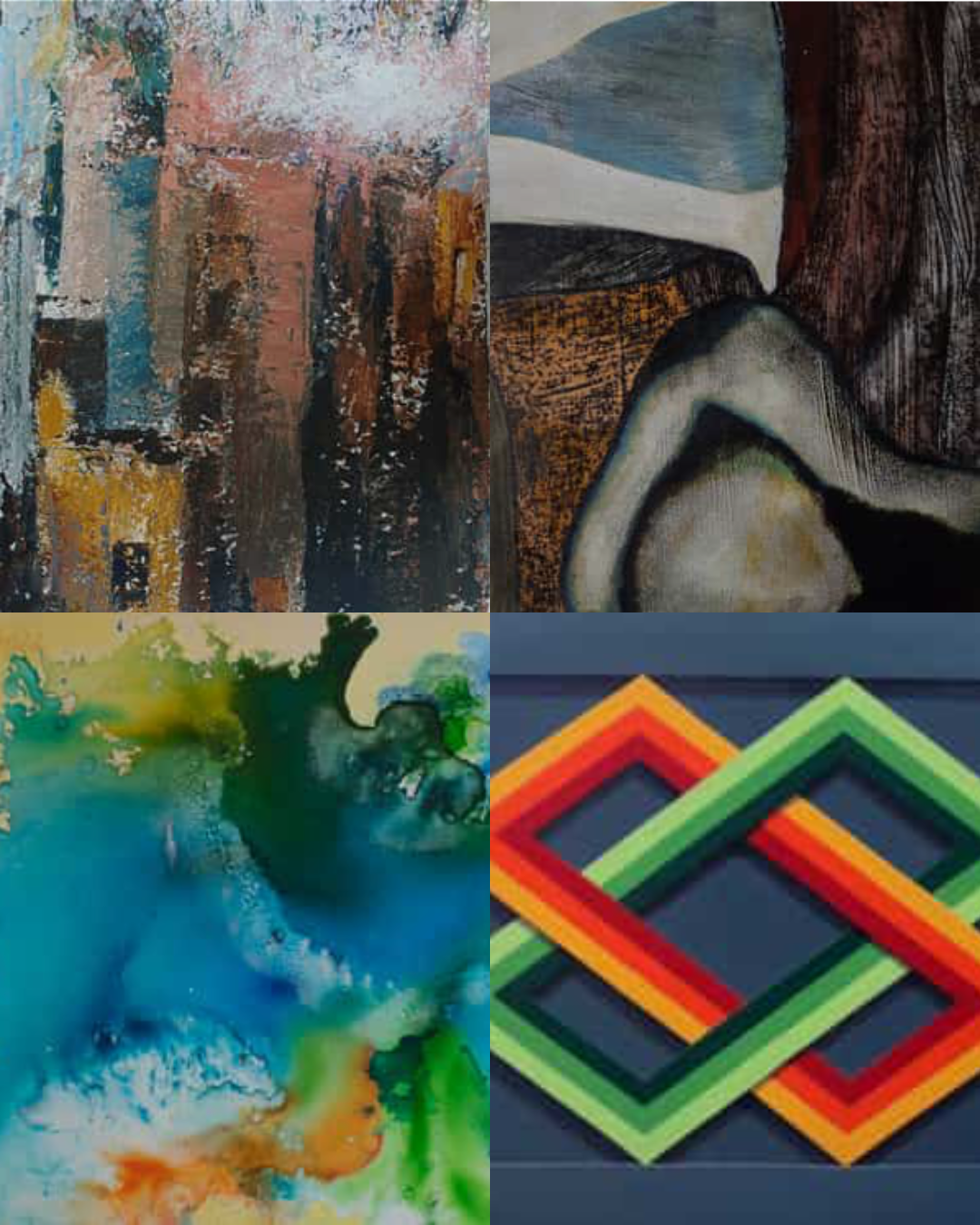
“The sound of colours is so definite that it would be hard to find anyone who would express bright yellow with bare notes, or dark lake with the treble.” - Wassily Kadinsky
Close your eyes and try to imagine a world around you, the warmth of sun, the cool gush of the wind, the freshness of the trees and all the good things. The first thing that you will feel is colours. The yellow warmth, the blue breeze and the green freshness. The world around us is defined by its colours. These colours are not just hues and tones but a visual language that composes art. For an artist, these are more than pigments, these are a spectrum of emotions that operates through perception and association. Every colour in their palette possesses its own distinct character, one that evokes emotions, intention and reflection. ‘A Chromatic Symphony’, a proud presentation of Terrain Curated, brings together artists who narrate how they have chosen certain colours to tell a story that is close to their heart. The exhibition does not explore colours as one of the props for composing an art, it studies it as an important syllable of this visual language.
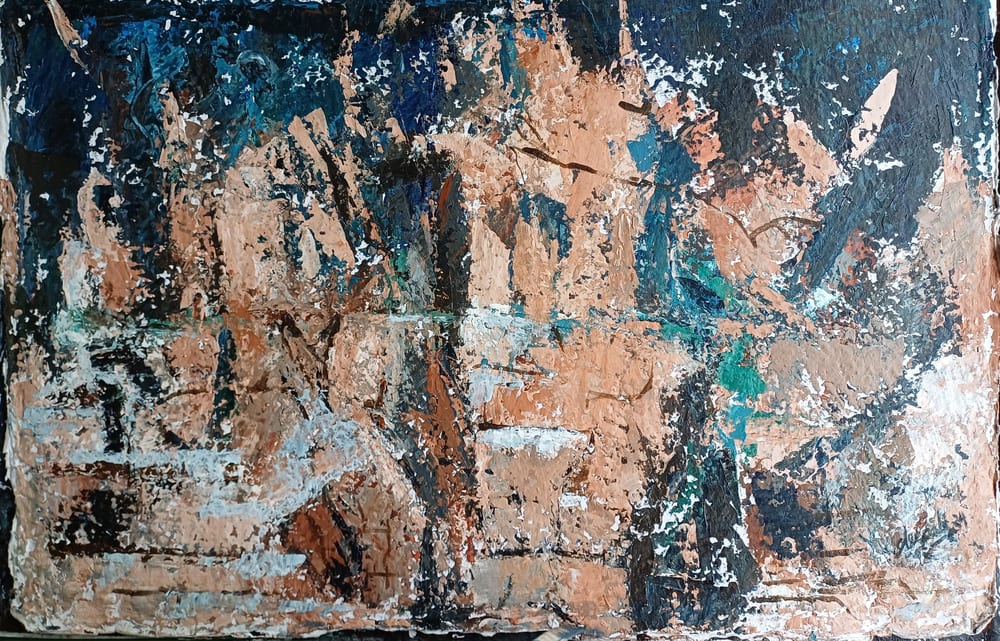
Colour plays an important role in telling the story of Artist Deepali Roongta’s artworks. She believes that they have a powerful emotional and psychological effect. Her process is a balance between intuition and careful thinking. She usually begins with instinct, choosing colours that feel emotionally right at the same moment. These colours not only create a visual beauty but also to communicate feelings and invite reflection. As the work develops, the colours begin to create an emotional connection, a harmony between contrast, rhythm and balance. Her colour choices therefore help shape the emotional journey within each painting.
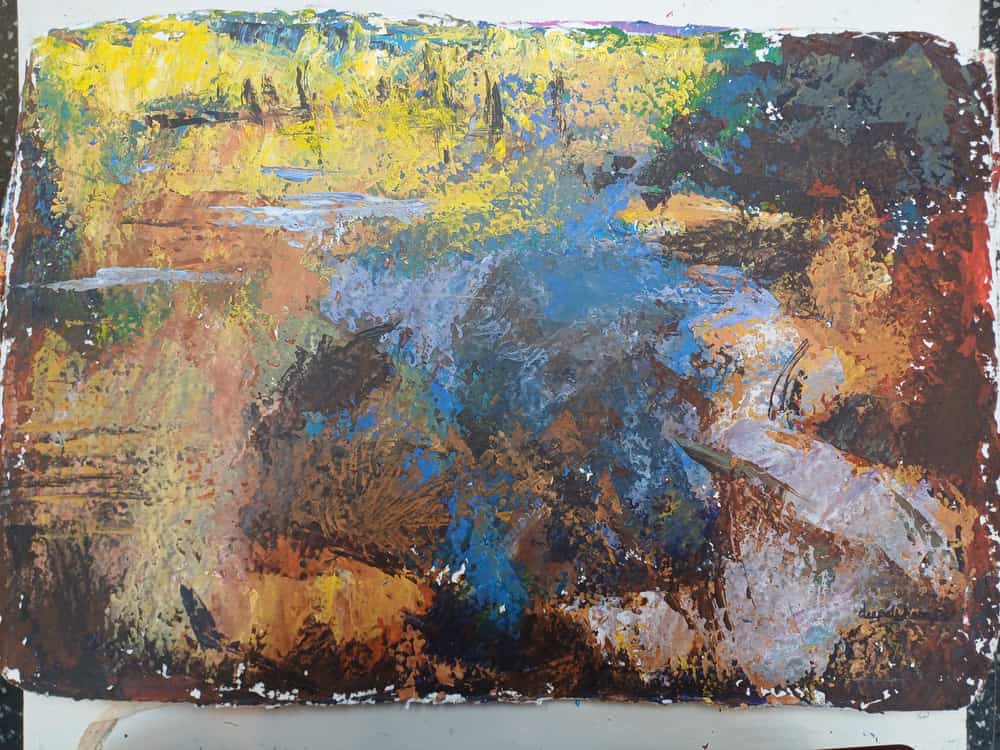
Whispers Of The Earth, 2024
Acrylic painting on archival paper 600 GSM ,JPEG41 x 61 cm | 16 x 24 in
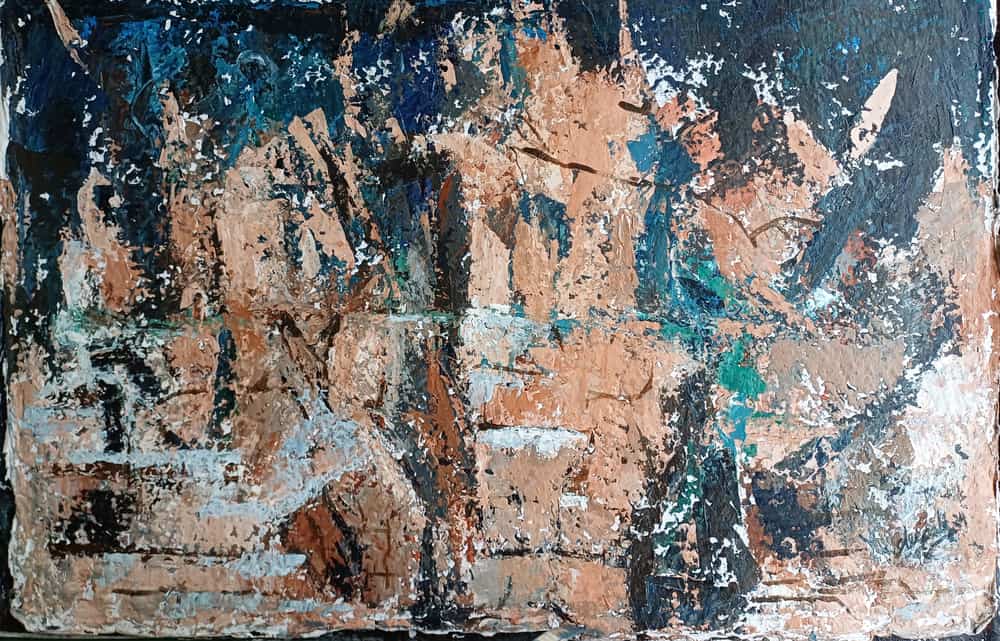
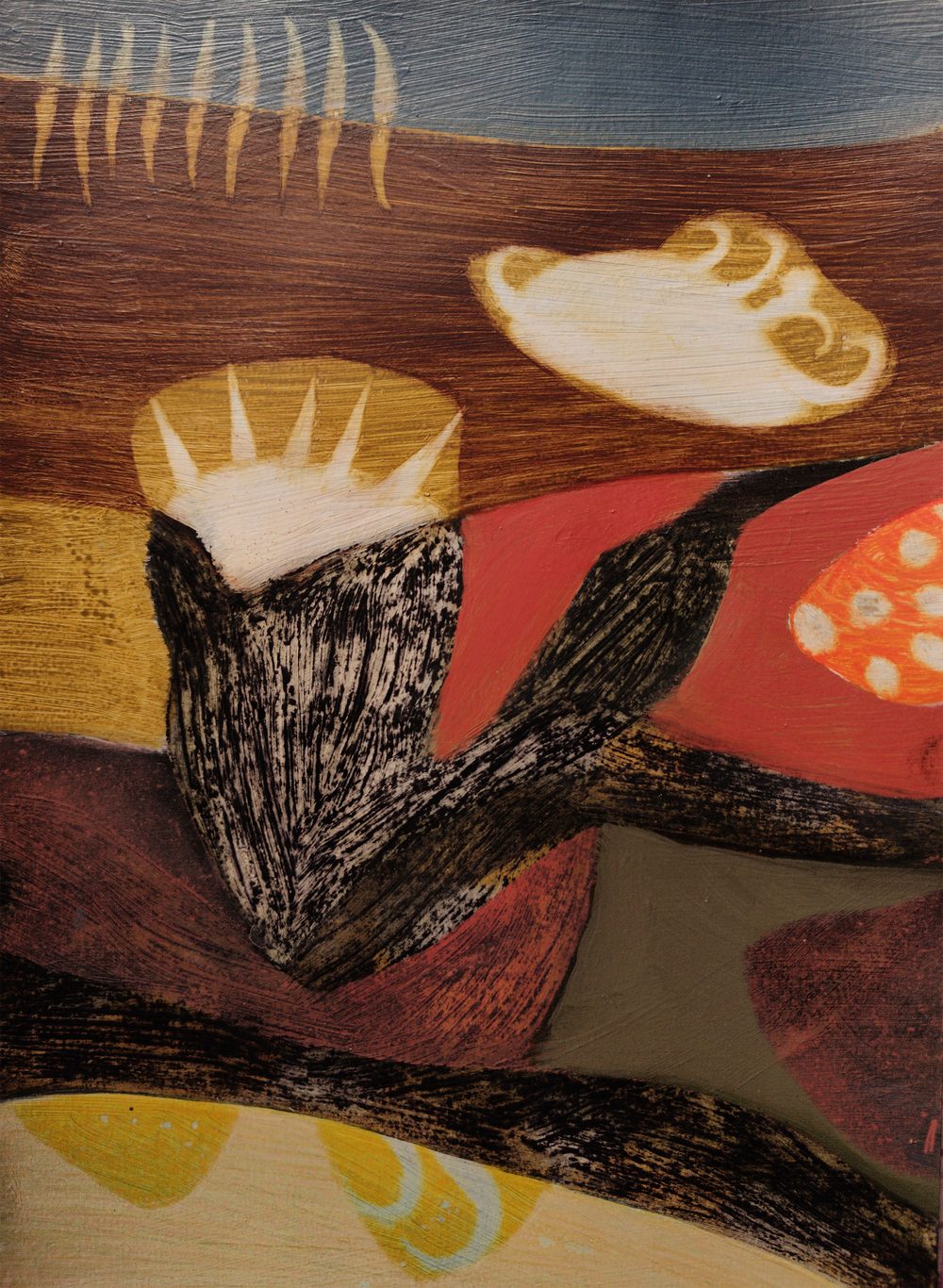
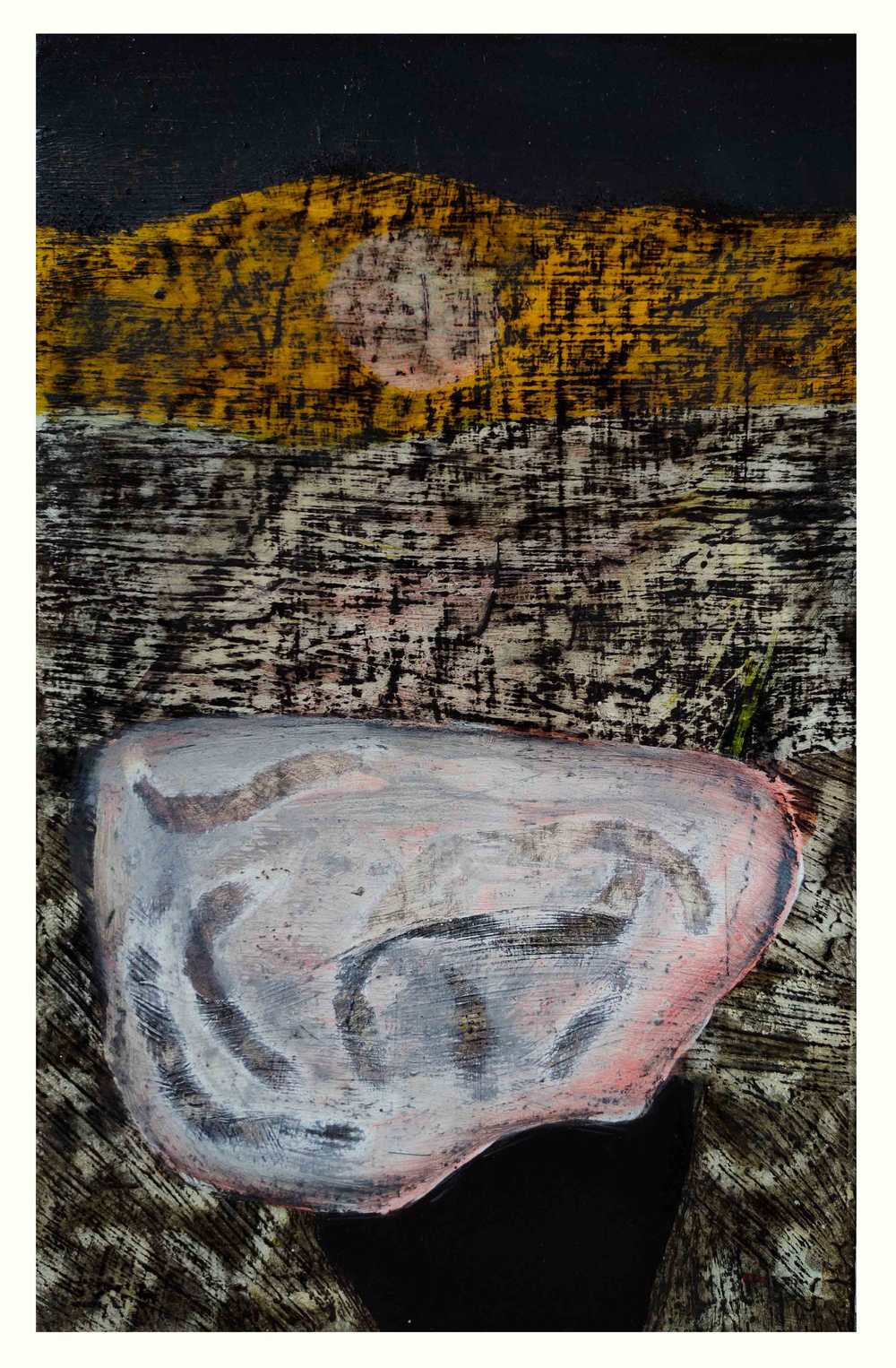
Having grown up in a suburban town on the outskirts of Kolkata, Artist Sagnik Roy locates his visual language within the modest domestic environment. The damp, moss-laden surfaces, vines pushing through brick crevices and salt eroded plasters molded his concept of relation that time, neglect, resilience and transformation share with colours. His restrained earthy and muted colour palette speaks of a sense of intimacy, stillness and familiarity rooted in everyday spaces that often go unnoticed. He does not approach colours as something predetermined, instead the entire painting process remains open, fluid and responsive rather than fixed. The palette emerges intuitively, shaping the narrative of his works and bridging the gap between reality and imagined memory. Sagnik considers the use of colour, its treatment, and its presentation in his works to be inherently poetic, where material, memory, and emotions converge to form a layered and evocative visual language.
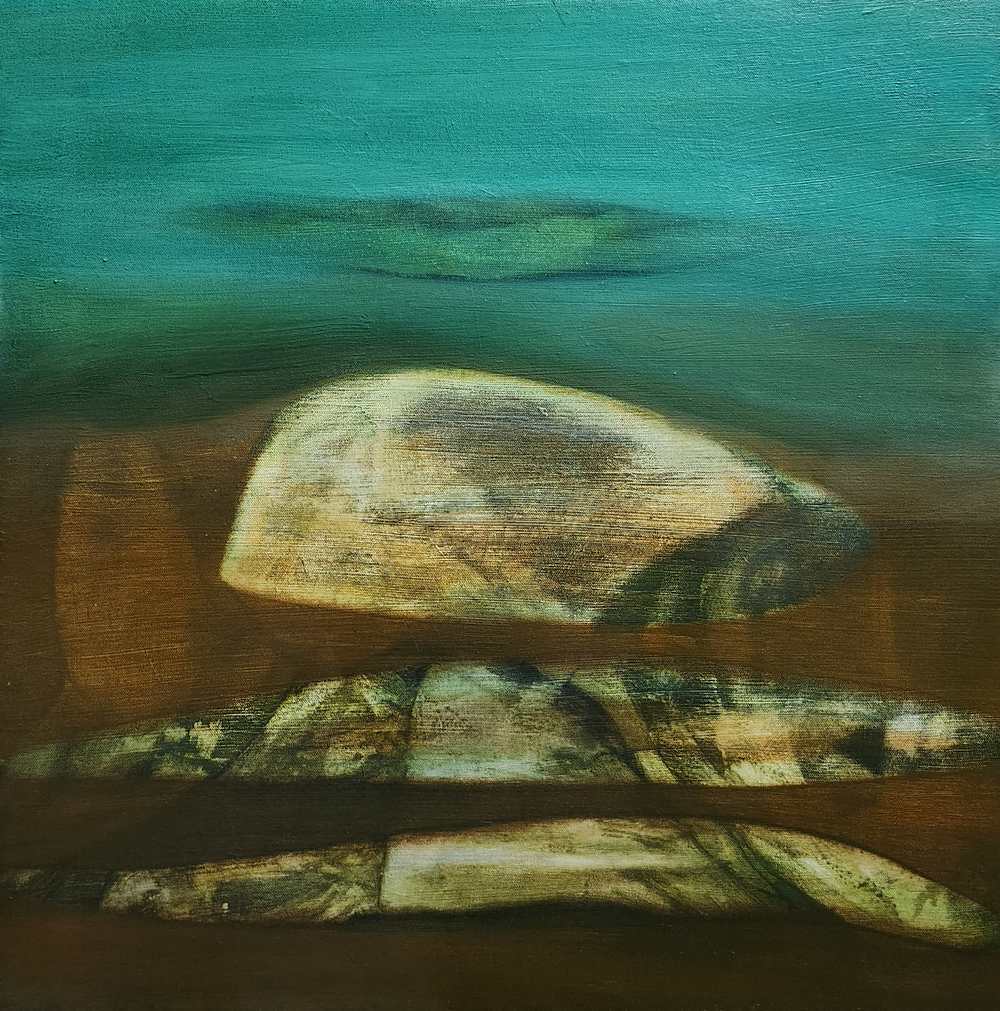
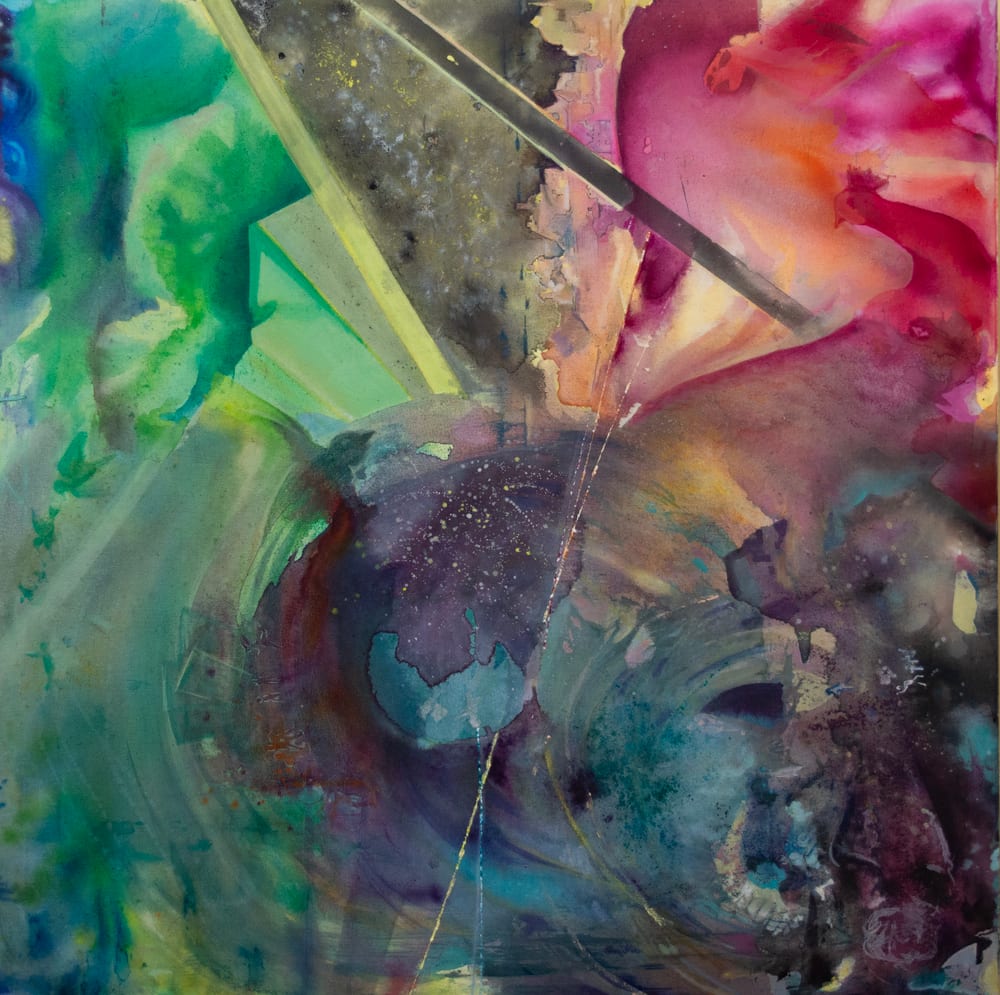
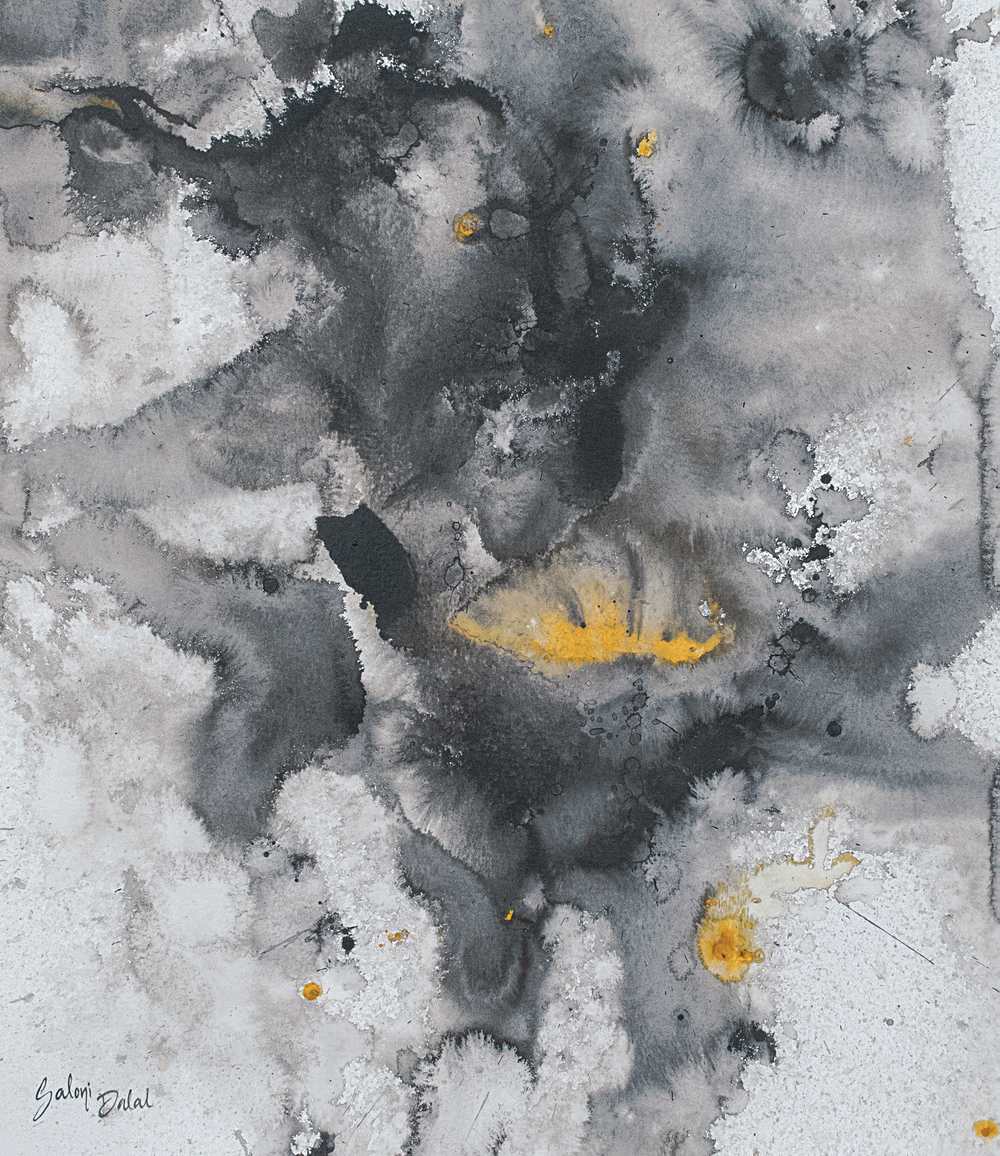
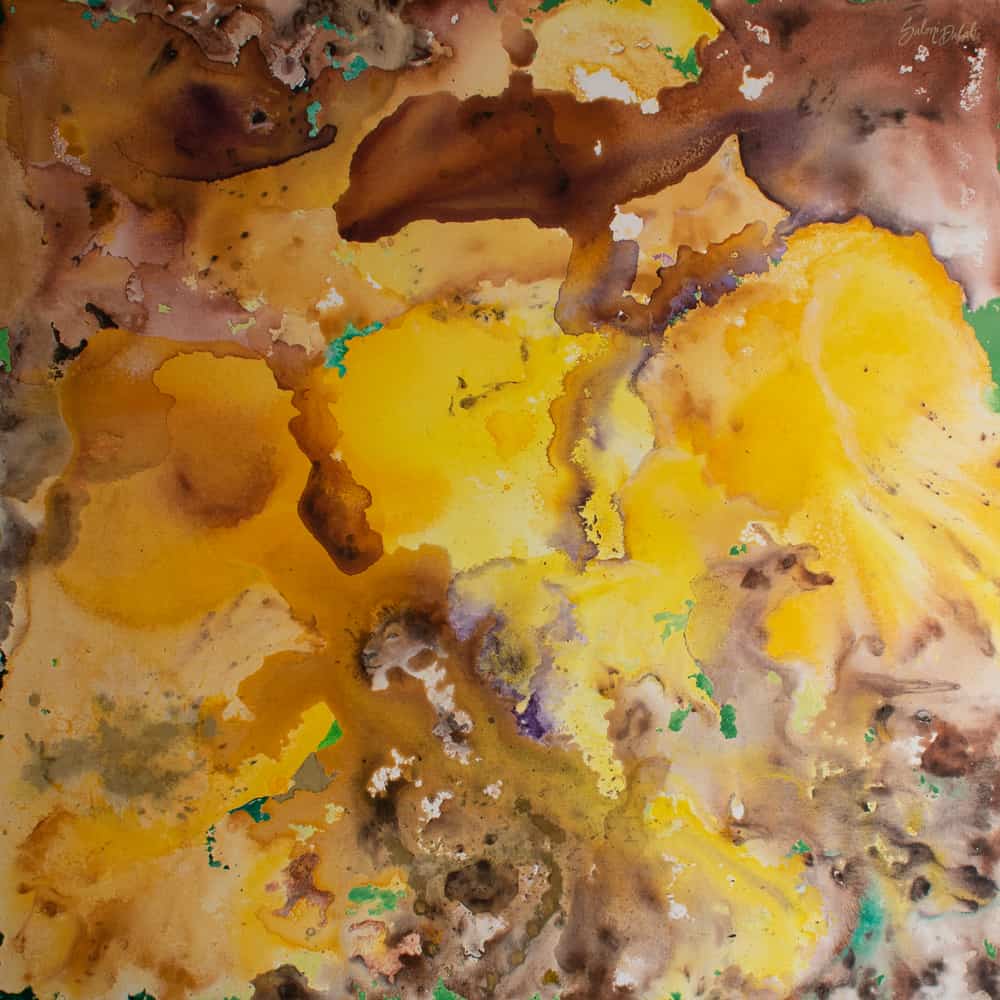
Artist Saloni Dalal’s evolving colour palette reflects her inner transformation. For her, it's more like light making its way from the darkness, like a void becoming light, choosing its own spectrum and intensity to take its form. The process of making and engaging with colour naturally takes her into a meditative state. Rather than deciding on colour intellectually, she experiences it like a feeling born deep in her heart. She feels drawn to a particular colour, and from there the painting unfolds through an intuitive dialogue between herself, the material and the canvas. Saloni perceives colours beyond their fixed meanings and lets them interact with each other freely creating their own language and expression.
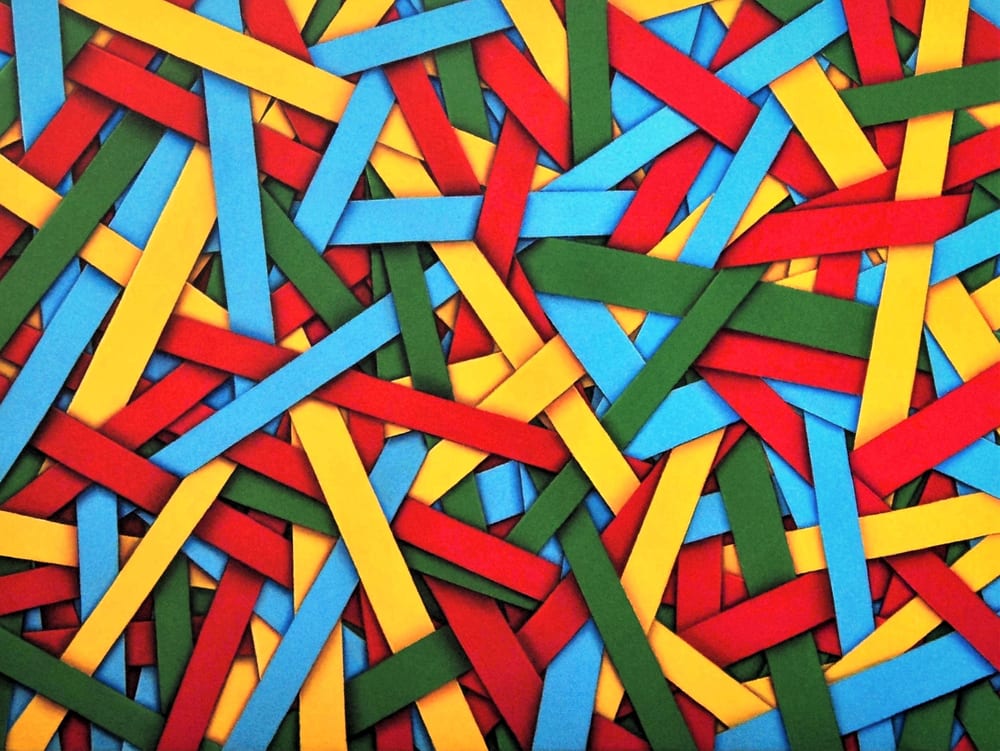
Artist Samba Prasad Biswas sees colours that have the capacity to evoke specific emotions and psychological responses while also carrying symbolic significance. He uses colours in his paintings not merely as a means of visual embellishment, but as a carefully considered component of his art. The structural integrity of a painting and significance of its forms depend greatly on the thoughtful selection and organisation of colour. Rather than allowing personal preferences to determine the artistic choices, Samba seeks the colours that the painting itself demands. He believes that colours must be approached with utmost sensitivity, awareness, and responsibility, and only then can it achieve a powerful visual impact while communicating its symbolic significance with clarity and conviction.