#InConversation with Shipra Gupta
By Shipra Gupta | May 21 2026 · 15 mins
When I look back, I realise that I was drawn to art and its visual expression from a very early age. As a child, I enjoyed my art classes and felt naturally attracted to colours. I often used colourful pens even while writing texts in my notebooks. Alongside this, I also had a strong interest in subjects like geometry and physics.
Having grown up in Delhi, the fast paced urban lifestyle of the city shaped my perspective and influenced me as an artist. I was soon enrolled in neighbourhood art classes and was taught by a local artist. That was the first time I felt a true connection with painting and began to consider it as a possible profession. This motivated me to take admission at Delhi College of Art in 2006. During my time there, I was introduced to art history and art movements like Impressionism and Fauvism, which deepply influenced me. A close connection with nature helped me develop a strong interest in landscape painting. The green and peaceful ambience of my college campus offered a sense of calm that shaped my visual language.
I was a sincere and dedicated student, fully immersed in learning and developing my style. During my time there, we were encouraged to practice extensively, and I sometimes ended up doing 100 sketched a day. I spent most of my time observing and drawing.
I spent alot of time studying the works of artists like Paul Gauguin, Amedeo Modigliani, Pierre-Auguste Renoir, and Claude Monet. The college library became my secod home, where I explored books on master artists and their paintings.
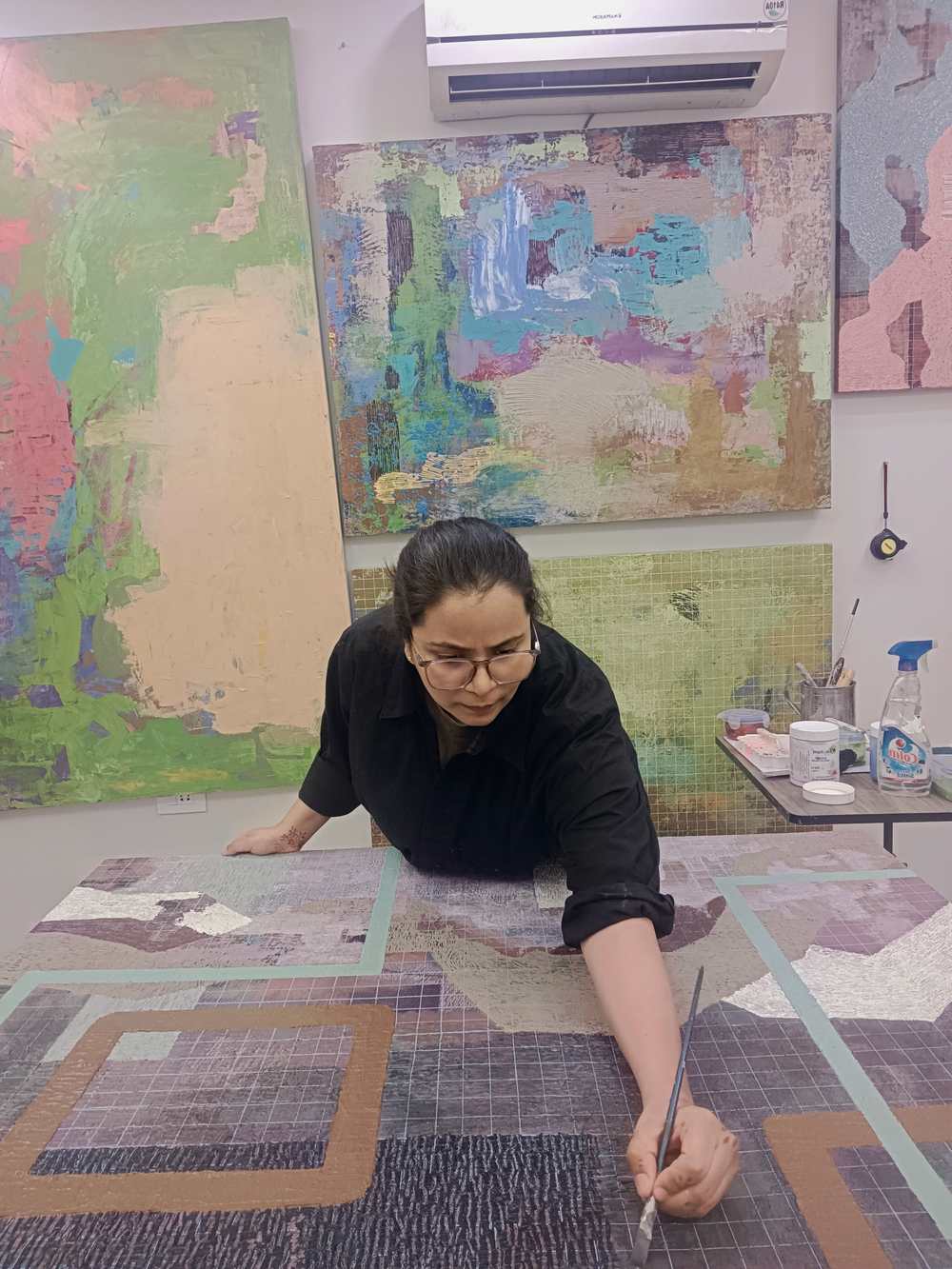
I started working as an art teacher after completion of my degree. I continued my practice consistently and never lost touch with paintings. I used to teach during the day and paint at home in evenings. I have always been drawn to the fleeting light and natural forms around me. Even while travelling, I would observe trees, urban landscapes, and the changing colours of nature at different places.
A turning point in my journey came during a difficult phase of health challenges. I was diagnosed with hearing loss anf Tinnitus of high decibel along with some vision related issues. It was not painful, but it was a confusing and transformative time. Through this experience, I understood how powerful the mind can be, and how the body adapts in new ways when faced with challenges.
Art became my therapy during this period. It helped me regain focus, concentration, and inner strength. Painting gave me a new way of seeing and understanding myself. It felt like a rebirth - like rising again with a new perspective.
Art has not only stayed with me throughout my journey, but also become an extension of my identity.
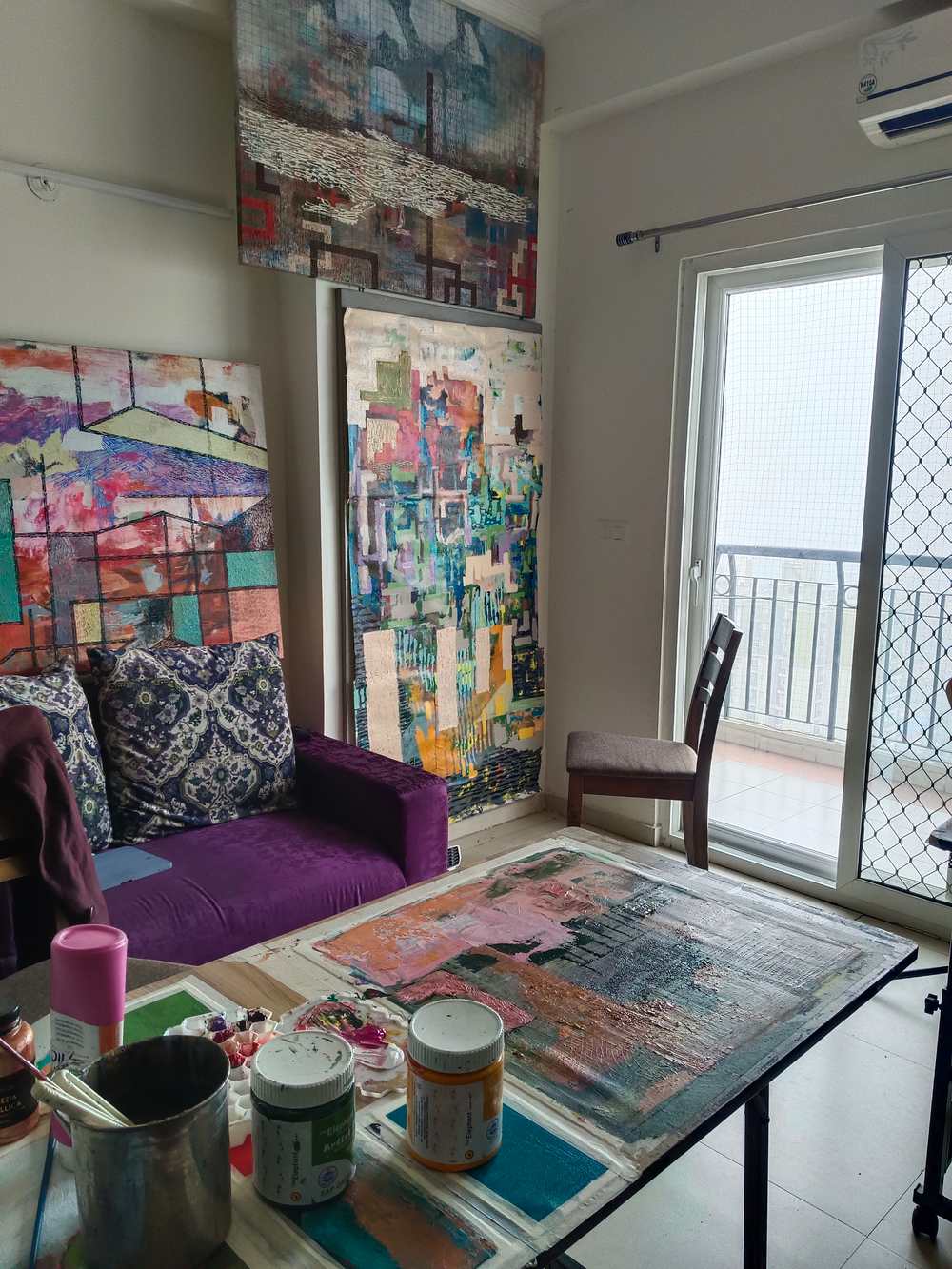
The Pandemic brought a new phase in my life. I adapted to the situation by teaching art online and it soon became a meaningful experience, and I was able to connect with more than 200 students through virtual platforms. With things slowly returning to normal, I felt the need to grow further as an artist, so I decided to pursue Master's from Amity University. It was a new beginning for me. The falculty's mentorship helped me deepen my understanding of art and expand my practice. During this time, my landscape work gradually transformed into abstraction. I became more expressive, and this shift continues in my work even today.
With every passing phase, I feel the intensity on my canvas growing stronger, and my connection with the work becoming more personal and immersive.
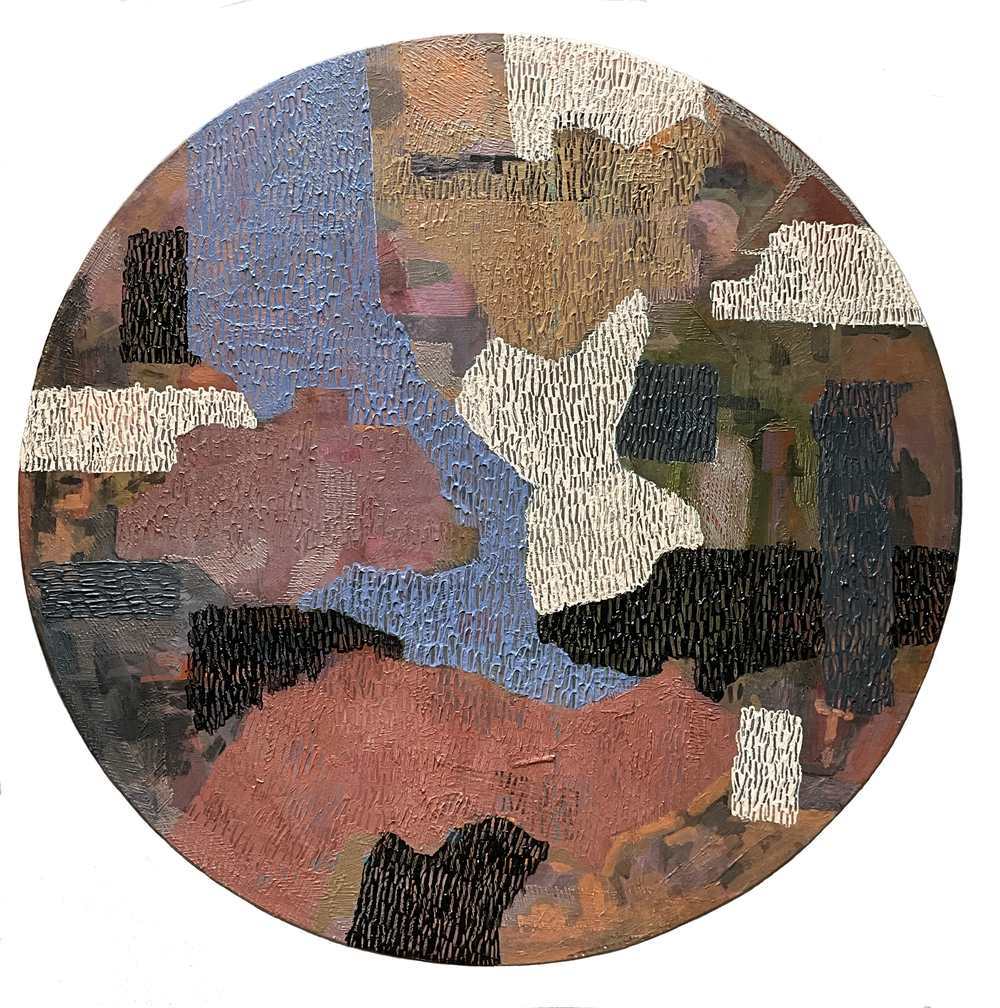
While working on my dissertation and studying color theory in depth, I encountered an idea that completely shifted my understanding—colours, as we perceive it, don't exist in nature, it’s just a construct of the mind. It is through the activity of rods and cones cells, and the interpretation of the brain, that color comes into being. This realization unsettled everything that I had previously believed about color.
That beauty, like color, lives in the eyes of the beholder. What we see is not absolute, but an illusion shaped by the mind. This thought became a central philosophy in my practice. I have constantly witnessed thecycles of construction, destruction, and recreation within the urban landscape. These transformations echo the same idea of impermanence and shifting realities. This understanding naturally entered my work, strengthening my engagement with abstraction.
The illusion of color, combined with the transient nature of the world around me, has deepened my approach to painting. It has given me a sense of freedom and confidence in composition. If nothing is fixed or permanent, then creation becomes an open field—an act of the mind, fluid and limitless. This belief continues to energize my practice and shapes the way I construct my visual language.
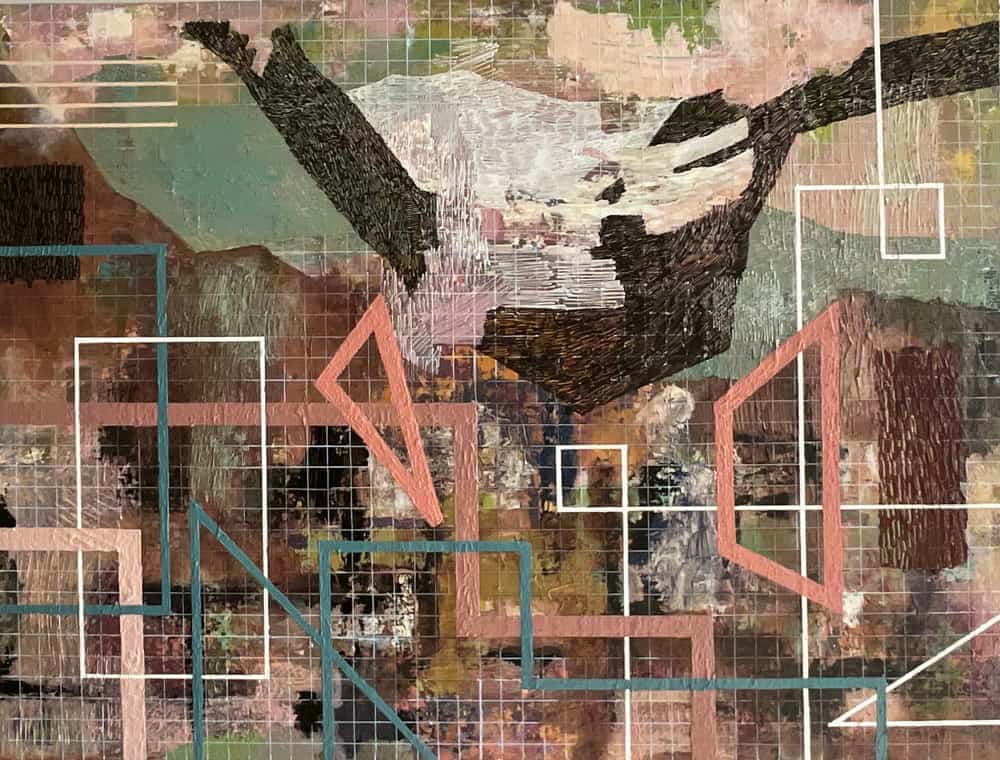
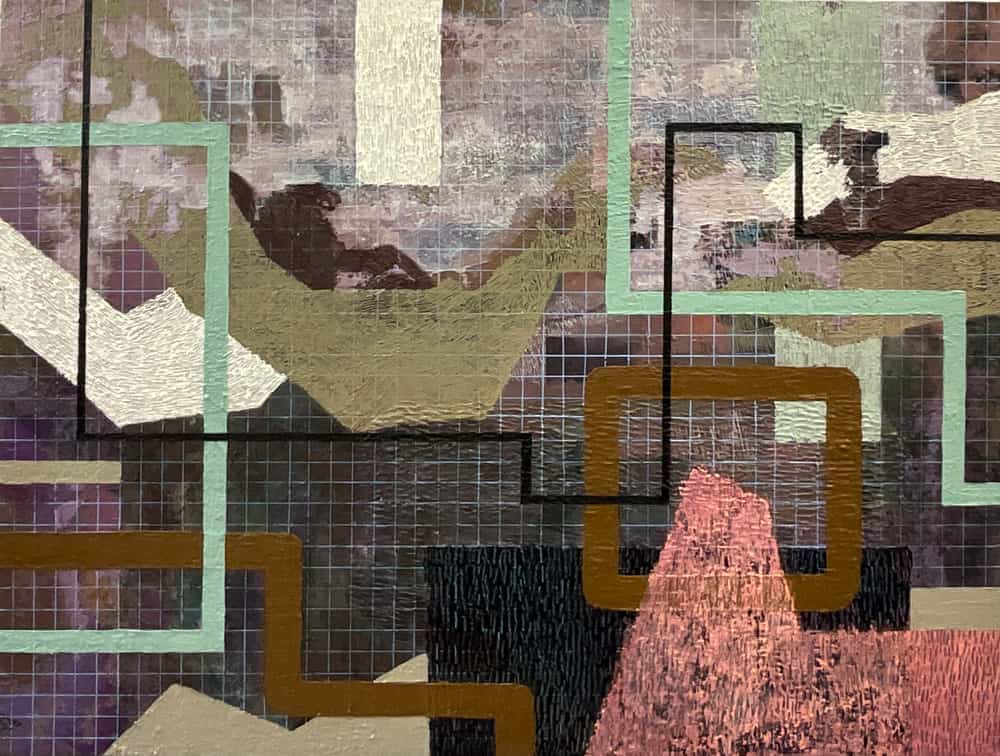
Cartography of mind 7, 2026 Acrylic on canvas 92 x 122 cm | 36 x 48 inches
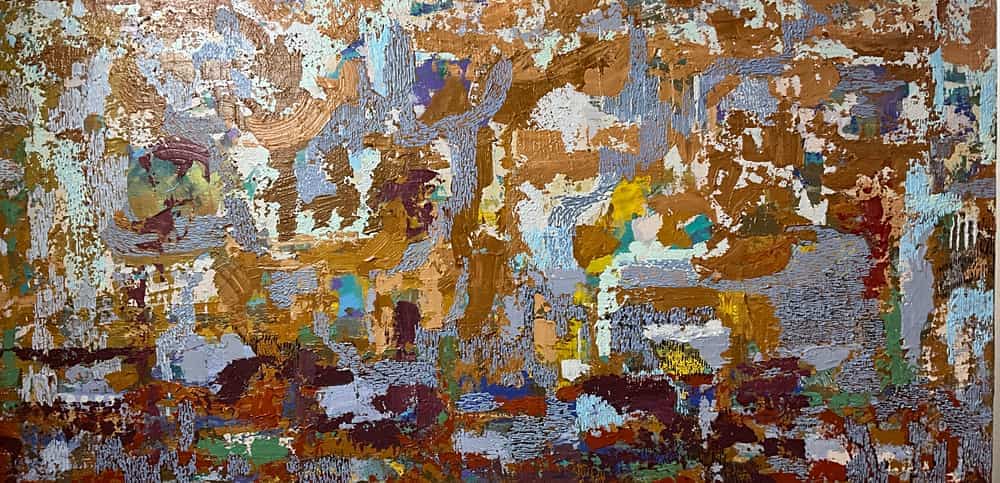
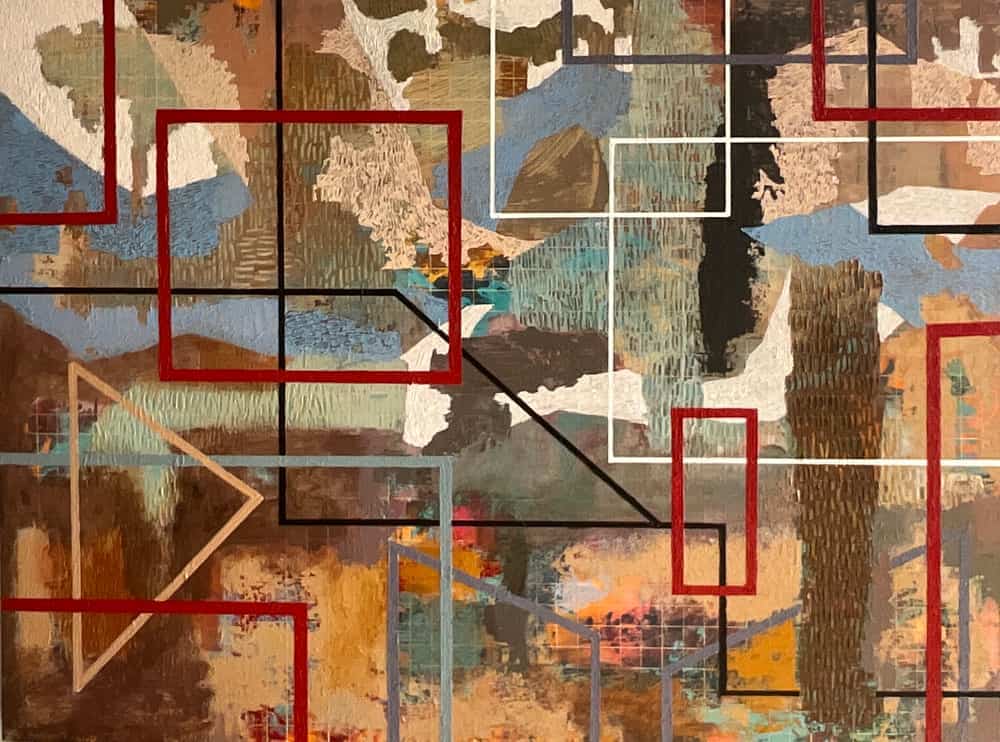
Erosion of time 2, 2025 Acrylic on canvas 60.90 x 121.92 cm | 24 x 48 in
With time and a certain stability in life, my perspective has shifted. I now see that each of these experiences has contributed significantly to my growth—not only as an artist, but as a person. They have shaped my thinking, expanded my approach, and allowed me to evolve through different phases without fear of change.
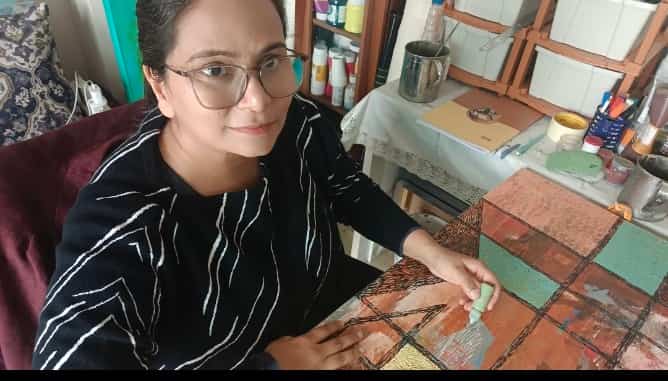
With this shift in perception, I now feel a sense of freedom in my practice. All the shapes, forms, and visual elements that I have explored over the past twenty years come together naturally in my work. I bring them into my abstractions in a playful and intuitive way, without restriction.
This openness has given me confidence as an artist. Each painting becomes a space of exploration, where elements interact, transform, and find their own balance. In this process, I experience a deep sense of joy and connection, and I find that every artwork I create, holds a piece of my existence.
In order to support myself, with time, I engaged in various forms of art-related projects. While all of this kept me connected to art, I often felt a quiet distance from my core practice— painting. There was a persistent sense that I had drifted away from something deeply personal and essential to me.
Alongside these professional experiences, I was also deeply involved in homemaking. Interestingly, this became another important space of learning for me. While cooking, I began to realise how one’s thoughts and emotions subtly enter the process and ultimately reflect in the food. It made me more aware of the inner state I carry while creating. This understanding stayed with me and gradually translated into my artistic practice—I became more conscious of being truthful, present, and emotionally attentive while painting. I realised that sincerity of feeling can truly give life to a work.
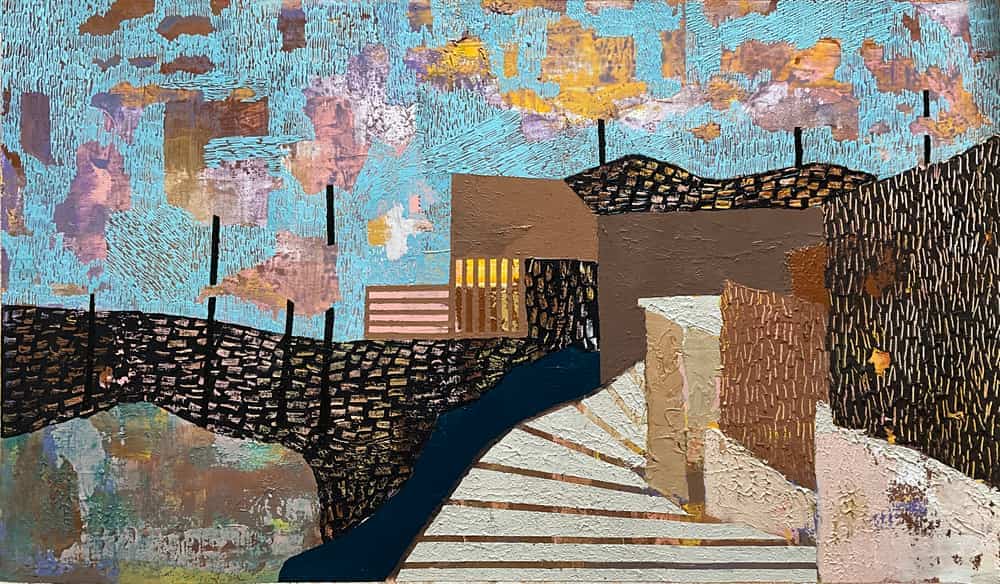
Amber Drift, 2025 Acrylic on canvas 48 x 81 cm |19 x 32 in
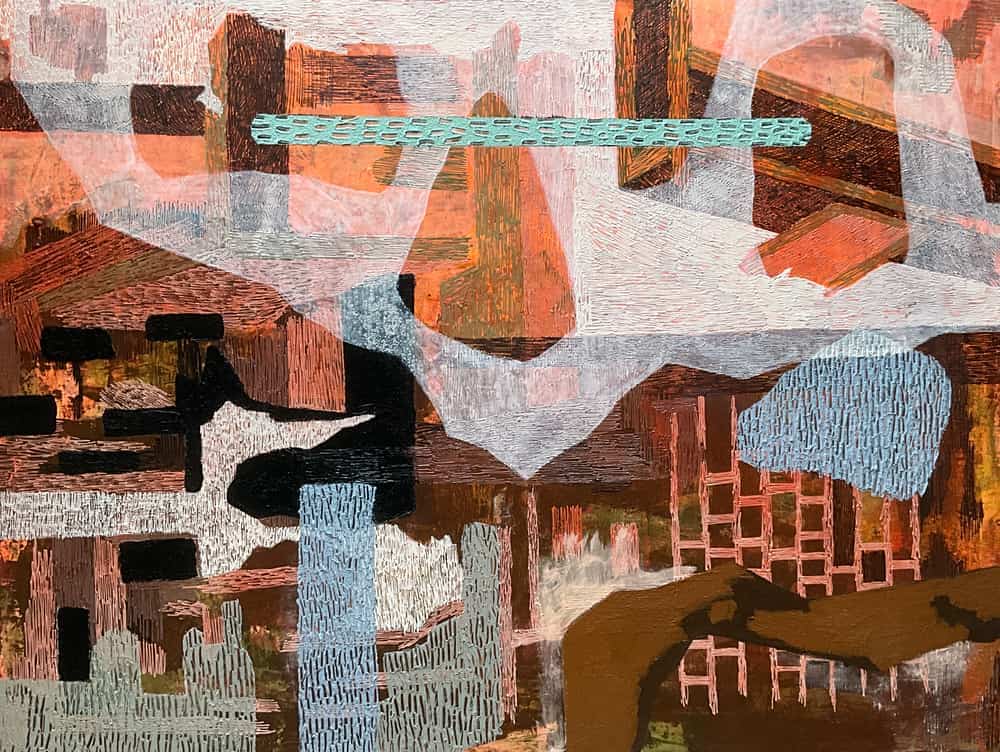
Astronomical Dawn, 2024 Acrylic on canvas 91.5 x 121.9cm | 36 x 48 in
Today, I embrace change as an integral part of both life and practice. I have learnt that every experience—whether planned or unexpected—has enriched me.
Now that I am working full-time in painting again, I can clearly feel how these diverse experiences come together within my work. My time in publishing sharpened my understanding of color, composition, and audience sensitivity. Teaching, in educational institutes and on virtual platforms, introduced me to new technologies and refined my ability to communicate. Storyboarding strengthened my sense of structure, sequencing, and detailed planning. And homemaking, in its quiet and intimate way, taught me the value of presence, care, and emotional honesty in the act of creation.
All these layers have collectively transformed my artistic language. What once felt like a detour now reveals itself as a foundation.
Looking back, the longing I felt for painting has transformed into a deeper connection with it.
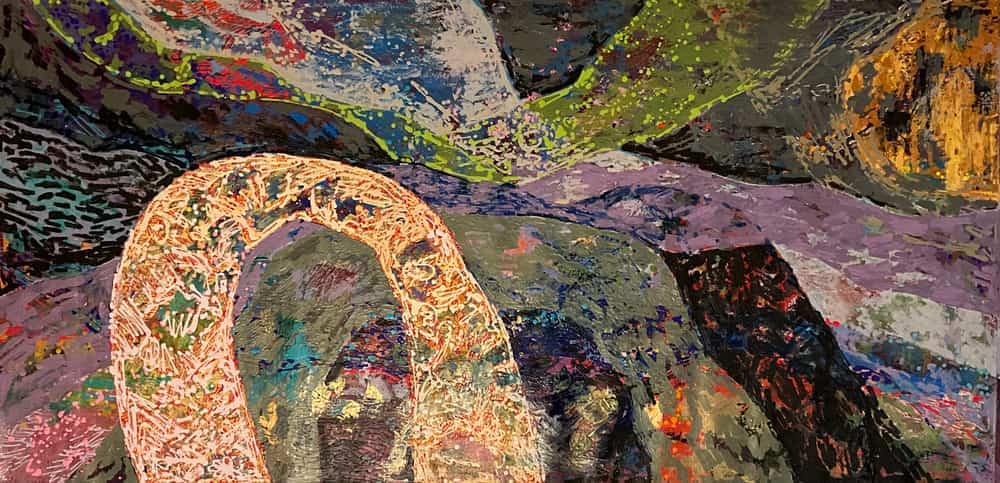
Bliss 2, 2022-2023 Acrylics on canvas 91.4 x 182.9 cm | 36 x 72 in
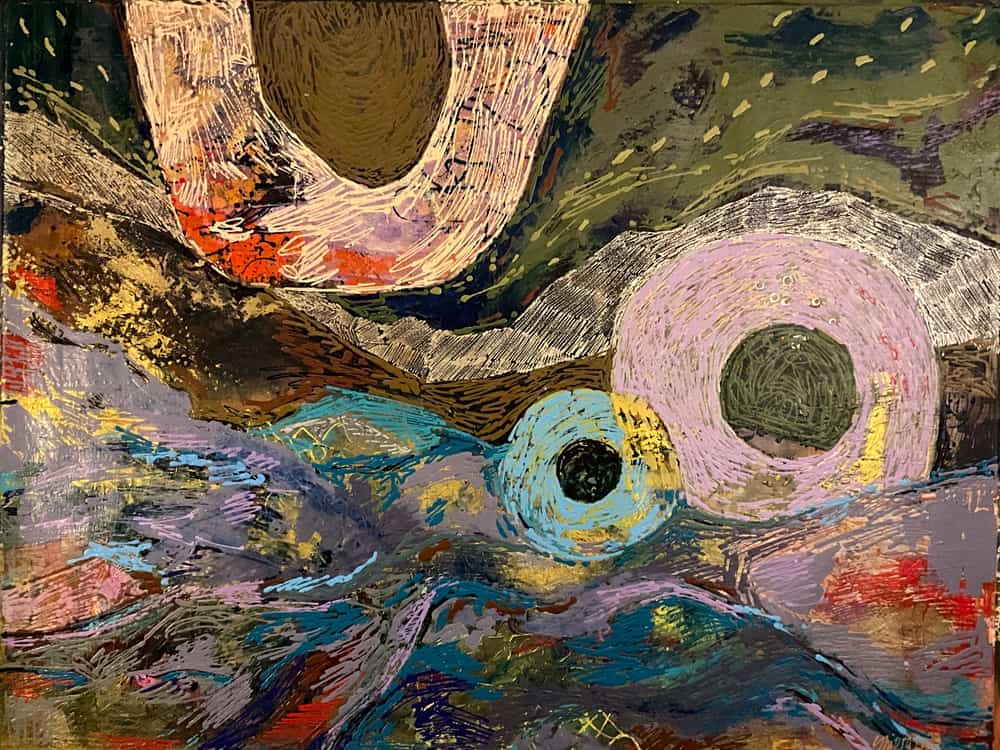
Bliss 1, 2023 Acrylic on canvas 91.5 x 121.9 cm | 36 x 48 in
In my ongoing series Cartography of Mind, I have allowed myself to become more open, intuitive, and playful on the canvas. This body of work brings together many of my smaller, earlier practices—whether in watercolor, pencil color, line work, or geometric explorations. I began by compiling these fragments, almost like a personal archive, and reworking them into new compositions.
Through this process, I started to rethink my approach to color, structure, and space. The lines I had previously explored began to take on new meaning, and I became more aware of how geometric lines can construct space and introduce multiple dimensions within a painting. The process itself unfolds in layers. In the initial stages, I work with a sense of freedom—using colors and textures in a dynamic and expressive way. This phase is intuitive and fluid, allowing the surface to evolve organically. As the work progresses, I gradually move towards a more constructive approach. In the middle layers, grids begin to emerge. Grids have always felt very personal to me—they offer a framework, a ground upon which something can be built, measured, or even disrupted.
In the final layers, I attempt to bring everything together—my explorations of grids, geometric structures, and expressive marks—so that the painting begins to feel alive, balanced, and cohesive. It becomes a space where intuition and construction coexist.
This process is deeply engaging for me. It guides me in understanding how to combine and transform different visual languages into something vibrant and dynamic. On an emotional and psychological level, it also reflects my relationship with change. While I embrace transformation, I also feel a strong desire to carry forward all that I have practiced and experienced—together, compile, and rearticulate it within my work.
In many ways, Cartography of Mind becomes not just a visual journey, but a way of mapping my own internal landscape—where past and present continuously intersect and evolve.
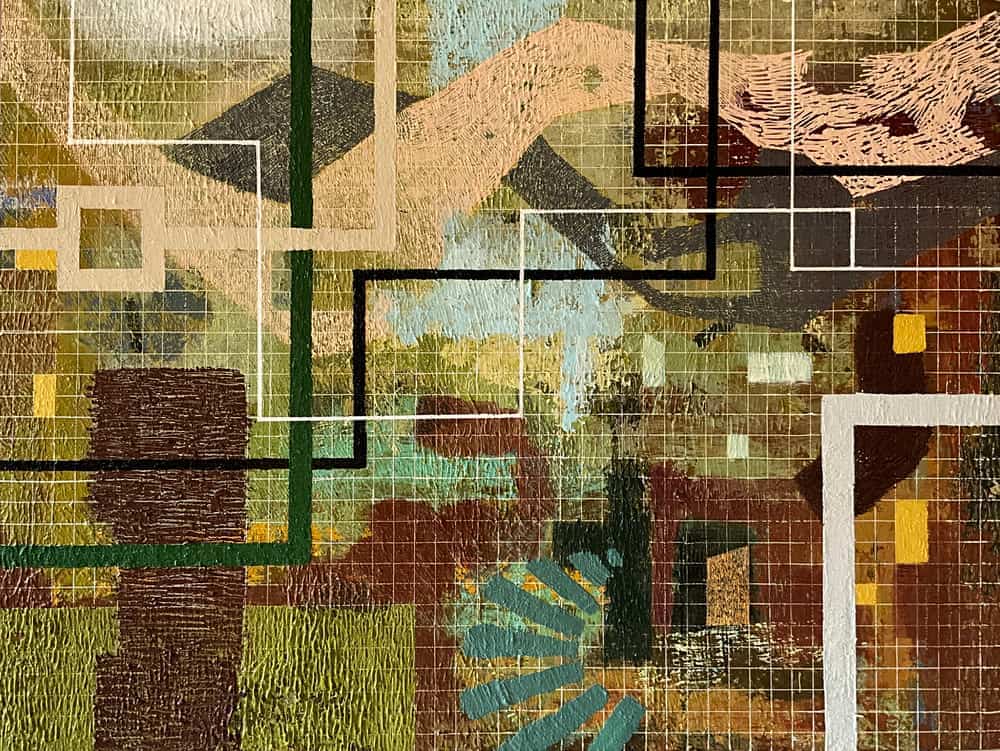
Cartography of mind 5, 2025 Acrylic on canvas 92 x 122 cm | 36 x 48 inches